
Walking into a multi-room property only to juggle four different remotes and three separate smartphone apps just to dim the lights, lower the shades, and turn on the television is an exercise in pure frustration. When independent climate zones, security cameras, and audio distribution refuse to coordinate, the promised luxury of modern technology quickly turns into an everyday headache. Choosing between Crestron vs Control4 determines whether your living space runs in complete harmony or remains a patchwork of disconnected gadgets.
Finding the right whole-home solution does not have to be an overwhelming technical hurdle. At Logic Integration, our team of system designers has spent decades engineering, installing, and servicing both platforms in real-world living spaces. This guide breaks down the architecture, user experience, device compatibility, and total investment required for each system so you can confidently choose the ideal platform for your household.
Design Your Dream Smart Home
Partner with our certified system specialists to engineer a reliable, fully customized automation ecosystem tailored to your lifestyle.
Key Takeaways
- Architectural Differences: Crestron relies on enterprise-grade processors and bespoke code for limitless flexibility, whereas Control4 utilizes a modular, driver-based architecture designed for fast deployment.
- User Experience and Control: Control4 offers a consistent, family-friendly interface across touchscreens and tactile remotes, while Crestron provides fully customizable graphic layouts alongside its streamlined Crestron Home platform.
- Device Compatibility: Control4 features native integration with over 13,000 consumer electronics devices out of the box, whereas Crestron connects to virtually any hardware via custom API programming.
- Budget and Property Scale: Control4 represents the industry benchmark for single-family homes and media rooms, while Crestron is engineered to run expansive multi-building estates with high-density AV distribution.
Crestron vs Control4: Core Architecture and Design Philosophy
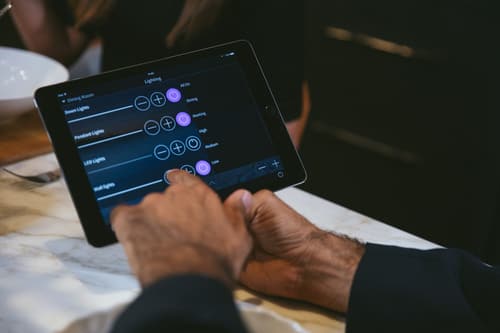
The fundamental difference between these two systems begins at the circuit board and operating code level. Crestron traces its lineage to corporate boardrooms, university campuses, and mission-critical government command centers. Because of this enterprise foundation, Crestron hardware is over-engineered to withstand continuous uptime without rebooting. Dedicated central processors handle immense data traffic, allowing lighting, shades, motorized partitions, and uncompressed 4K video networks to operate without slowing down. However, this level of power requires extensive backend engineering, meaning every command, trigger, and macro must be manually compiled by a certified software developer.
Control4 takes an entirely different philosophical path by offering a structured, consumer-accessible framework. Built specifically for high-end residential integration, the platform relies on standardized hardware controllers that run pre-packaged software modules. Instead of starting with a blank slate of code, a Control4 dealer links subsystems together using structured software tools. This drastically cuts down deployment time while maintaining impressive responsiveness for audio-video switching, climate adjustments, and automated schedules.
System stability also reflects these distinct engineering approaches:
- Enterprise-Grade Network Topology: Crestron segregates automation data traffic across isolated subnets to prevent residential Wi-Fi congestion from interrupting critical system functions.
- Pre-Engineered Driver Framework: Control4 leverages pre-tested communication profiles that run on certified network switches, ensuring dependable communication without requiring custom network scripts.
- Dedicated Central Processing: Both ecosystems utilize hardwired main controllers rather than relying on cloud servers, keeping your automation functions fully operational even if your local internet service drops out.
Touchscreens and Apps: Navigating the Smart Home Experience
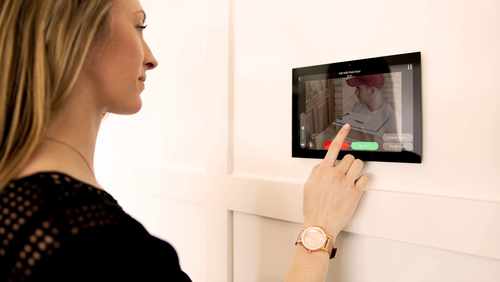
A sophisticated automation system is only as good as the interface your family touches every day. Control4 prioritizes visual uniformity across all hardware touchpoints. Whether you wake up a dedicated in-wall touchscreen, open the mobile app on an iPad, or pull up the on-screen display on your living room television, the navigation menus look identical. Control4 organizes subsystems by room and category, making it effortless for houseguests or children to adjust the thermostat or start a movie without a training manual.
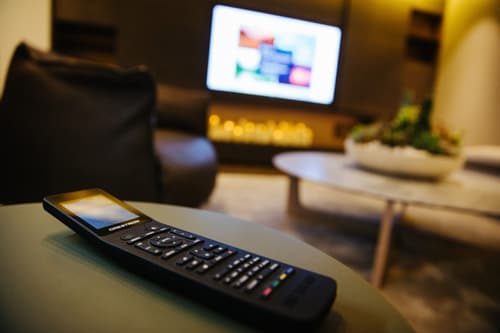
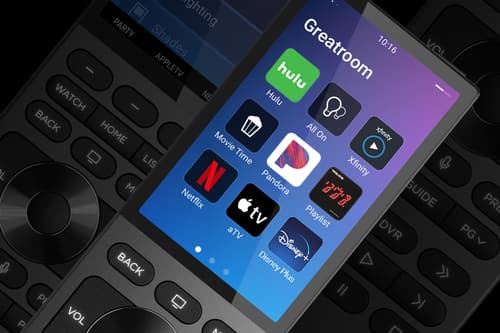
For handheld control, the physical click of a remote remains unbeatable in daily use. The Control4 SR260 remote control options provide tactile, backlit buttons that you can navigate entirely by muscle memory, while the touch-enabled NEEO remote introduces high-resolution touch navigation alongside physical volume and channel rockers.
Crestron approaches the user experience with an open canvas. Using modern HTML5 tools like Crestron Construct (CH5), integrators can build completely bespoke user interface layouts. If an architect wants a minimalist touch panel that shows nothing more than a dynamic floor plan of the property, Crestron can make that happen. For clients who want deep Crestron power without the added cost of ground-up UI design, Crestron Home offers an attractive, pre-configured interface with clean graphics, quick room switching, and fluid touch response.
Both platforms excel at personalized automation scenes:
- Morning Routines: Raise motorized blackout shades, disarm perimeter motion sensors, and bring smart lighting control up to a warm 2700K glow with a single tap.
- Entertainment Sequences: Dim overhead lighting circuits, close window treatments, switch multi-zone AV distribution to the correct input, and set surround sound volume automatically.
- Vacation Modes: Randomize interior lighting patterns and monitor exterior cameras while cycling HVAC setpoints to conserve energy while you travel.
Connecting Your Tech: Which System Plays Best with Others
A central home automation platform must play well with the hardware you already love. Control4 dominates open-market consumer interoperability thanks to its massive library of more than 13,000 device drivers. If you bring home a new Sony television, an Apple TV, or a Sonos soundbar, your integrator can typically bring that unit into the Control4 ecosystem within minutes using a pre-tested, cloud-verified software profile.
Third-party compatibility remains strong across major architectural brands:
- Architectural Lighting: Native two-way control for Lutron lighting and automated shades ensures instant status feedback on wall keypads.
- Climate Integration: Effortless connectivity with smart thermostats from ecobee, Nest, and Aprilaire keeps indoor comfort optimized across different seasons.
- Security Subsystems: Hardwired integration with access control keypads, motorized gate operators, and IP surveillance cameras provides complete peace of mind.
Crestron handles third-party equipment through sheer engineering versatility. Rather than relying solely on pre-packaged drivers, Crestron can interface with virtually any device on earth that features an open API, serial port, or IP control protocol. If you have specialty commercial HVAC chillers, museum-grade art lighting, indoor pool systems, or automated landscape irrigation setups, a programmer can write custom communication scripts to fold them into the ecosystem. The trade-off is development time: adding unique consumer hardware often requires specialized programming labor rather than a quick drag-and-drop driver install.
Crestron vs Control4: Feature-by-Feature Comparison
Choosing the right ecosystem requires balancing physical property requirements against software flexibility and investment expectations.
| Feature / Metric | Control4 | Crestron |
|---|---|---|
| Upfront Cost | Moderate hardware investment paired with efficient, low-labor setup hours. | Premium hardware pricing combined with extensive custom engineering labor. |
| UI Customization Ceiling | Standardized interface layout with limited aesthetic graphic modifications allowed. | Limitless visual flexibility utilizing custom HTML5 templates and bespoke layouts. |
| Out-of-the-Box Compatibility | Over 13,000 verified driver profiles for instant consumer device connectivity. | Requires specialized software development for non-standard third-party gear. |
| Target Home Size | Perfectly suited for single-family residences spanning 2,000 to 12,000 square feet. | Built for luxury estates, multi-acre compounds, and complex yacht installations. |
| AV Distribution Quality | Outstanding high-definition multi-room matrix audio and compressed video switching. | Industry-leading uncompressed 4K zero-latency video over IP using Crestron NVX. |
From Mid-Size Homes to Luxury Estates: Finding the Right Fit
Property square footage and the physical density of integrated sub-systems directly dictate which platform delivers the smoothest experience. For homes ranging from 2,500 to 10,000 square feet, Control4 functions as a reliable workhorse. It easily unifies several surround-sound media rooms, dozens of lighting loads, automated door locks, and multi-zone streaming music players. Because it requires less backend code, project timelines move swiftly, allowing families to enjoy their spaces without lengthy commissioning phases.
Once a luxury smart home expands into a massive estate with detached guest houses, sports courts, commercial-grade wine rooms, and dozens of simultaneous 4K video feeds, Crestron takes the lead. Crestron NVX technology distributes uncompressed 4K video across standard 1Gb networks with absolute zero latency and zero pixel degradation, which is critical when sending high-bandwidth content to massive video walls and custom projection theaters.
Certified installation tip: Always insist on dedicated, active ventilation in your central equipment rack; keeping rack temperatures below 85°F prevents processor throttling and eliminates 90% of unexplained digital video dropouts.
Square footage alone is not the only deciding factor. The total quantity of smart devices matters just as much. A 6,000-square-foot modern residence with 250 individual lighting circuits, 40 motorized shade motors, multi-room security partitions, and an intricate outdoor entertainment pavilion will often perform far better on Crestron processors than on lighter hardware frameworks.
Navigating the True Cost of Premium Home Automation
Understanding total smart home cost requires looking beyond the retail price tags on keypads and controllers. Total expenditure is driven by system scope, equipment specifications, and programming labor.
Control4 consistently delivers an outstanding capability-to-cost ratio for high-end residential spaces. Because certified integrators use standardized configuration software, the labor costs associated with building menus, linking remotes, and creating scenes are relatively modest. You spend a higher percentage of your budget on visible hardware like elegant keypads, high-performance in-ceiling architectural speakers, and premium video displays.
Crestron demands a significantly higher upfront investment. Crestron hardware carries a luxury price tag built on heavy-duty components and redundant internal power supplies. More importantly, custom Crestron programming is a high-level software discipline. Commissioning a fully customized Crestron project involves weeks of planning, code writing, and comprehensive testing. Crestron Home has significantly narrowed this pricing gap by speeding up deployment for residential projects, but full-scale Crestron systems remain an elite investment reserved for expansive properties requiring tailor-made automation logic.
The Pros and Cons of a Crestron vs Control4 Investment
Every home automation platform carries distinct advantages and natural limitations depending on your project goals. Evaluating these trade-offs ensures your hardware investment matches your family's expectations for convenience and long-term performance.
Pros
Exceptional Device Flexibility:
Control4 provides an extensive library of verified drivers that makes adding new home entertainment gear quick and affordable.
Enterprise-Grade Reliability:
Crestron central processors deliver industrial-strength stability that runs complex subsystems for years without system crashes.
Limitless Aesthetic Control:
Crestron allows developers to craft completely bespoke graphic interfaces to match any interior design language.
Rapid Installation Timelines:
Control4 utilizes modular configuration tools that dramatically reduce programming labor and get systems operational faster.
Cons
Higher Labor Requirements:
Crestron requires dedicated software engineers for deep system customization, which increases the total engineering investment.
Rigid Interface Templates:
Control4 locks users into a standardized visual menu structure that does not allow for fully custom graphic screen designs.
Upgrade Your Lifestyle: Choose Crestron or Control4 Today
Control4 dominates mid-tier luxury and large residential homes by offering fast deployment, incredible consumer device integration, and a consistent family-friendly interface. Crestron stands as the undisputed champion for massive estates and multi-building compounds where uncompressed network video distribution and limitless custom programming are essential.
Choosing the right platform comes down to working with an experienced integration team that takes the time to understand your home's unique layout and daily routines. At Logic Integration, we guide you through live demonstrations in our local technology showroom, provide expert engineering, and support your home with professional installation and white-glove local customer service. Reach out to our design team today to start building an intuitive, ultra-reliable smart home system tailored directly to your lifestyle.
Frequently Asked Questions About Crestron vs Control4
Crestron is typically more expensive than Control4 due to its enterprise-grade hardware components and the extensive labor required for custom programming. Control4 uses modular configuration tools that lower initial installation costs while delivering rich automation capabilities.
Control4 integrates smoothly with a vast array of existing consumer electronics thanks to its library of over 13,000 verified device drivers. This native compatibility allows your installer to quickly connect popular brands of smart televisions, streaming players, and wireless audio components.
Crestron requires a certified programmer to write custom software code for advanced commercial-grade hardware and bespoke graphic interfaces. However, the Crestron Home platform allows certified dealers to configure residential systems quickly without writing ground-up software scripts.
Crestron is the superior choice for massive multi-building luxury estates because its enterprise processors and NVX network video distribution handle high data traffic effortlessly. The system easily manages complex mechanical chillers, extensive motorized shade banks, and expansive security networks across multiple structures.
Both ecosystems offer robust wireless keypads, smart dimmers, and network bridges designed to retrofit existing residences without cutting open finished drywall. Control4 offers particularly extensive wireless mesh hardware, making it a favorite for historical renovations and existing property retrofits.
Control4 is widely recognized for delivering the most intuitive handheld remotes thanks to the tactile, button-rich layout of the SR260 and the modern touch display of the NEEO. Crestron offers sleek, highly functional handheld controllers as well, but Control4 remotes are celebrated for easy, everyday family use.
Why Trust Logic Integration?
Logic Integration is a Colorado-based custom integrator, offering a wide range of AV and automation services, for both residential and commercial settings. We partner with leading technology brands to provide you with the latest and most reliable solutions. We’ll collaborate closely with you to understand your needs and preferences, crafting a user-friendly system that complements your space and lifestyle. Our commitment to clean installations ensures all technology blends seamlessly with your environment, minimizing clutter and maximizing aesthetics. At Logic AV, we believe that technology integration is an ongoing process. This is why we offer comprehensive maintenance and support services to ensure any system we install continues to function flawlessly for years to come.
Our team is comprised of experienced, certified professionals with deep technical knowledge and a passion for innovative solutions. Named CTA’s Integrator of the Year, we are fully accredited by organizations such as the Custom Electronic Design & Installation Association, Home Technology Association, and National Association of Home Builders. Ultimately, choosing Logic Integration means trusting your AV and automation needs to a proven, experienced, and customer-focused company. We'll transform your space into a connected, intelligent environment that elevates your everyday life.
Technology Solutions by Logic Integration
As a rapidly developing technology and integration firm, we keep ourselves up-to-date with the latest products, technologies, and industry trends. As a result, our technical team is the most well-trained in the industry, enabling us to effectively improve our clients' communication and entertainment needs. At Logic Integration, we place great emphasis on the quality of audio and visual products as well as our quick response times to service and sales communication. Our experienced technicians are well-versed in the correct installation of smart home products, video solutions, home theater options, and more. Visit us in person or call us at 303-484-8237 to learn more.